One of the most overlooked sources of information risk is also the simplest:
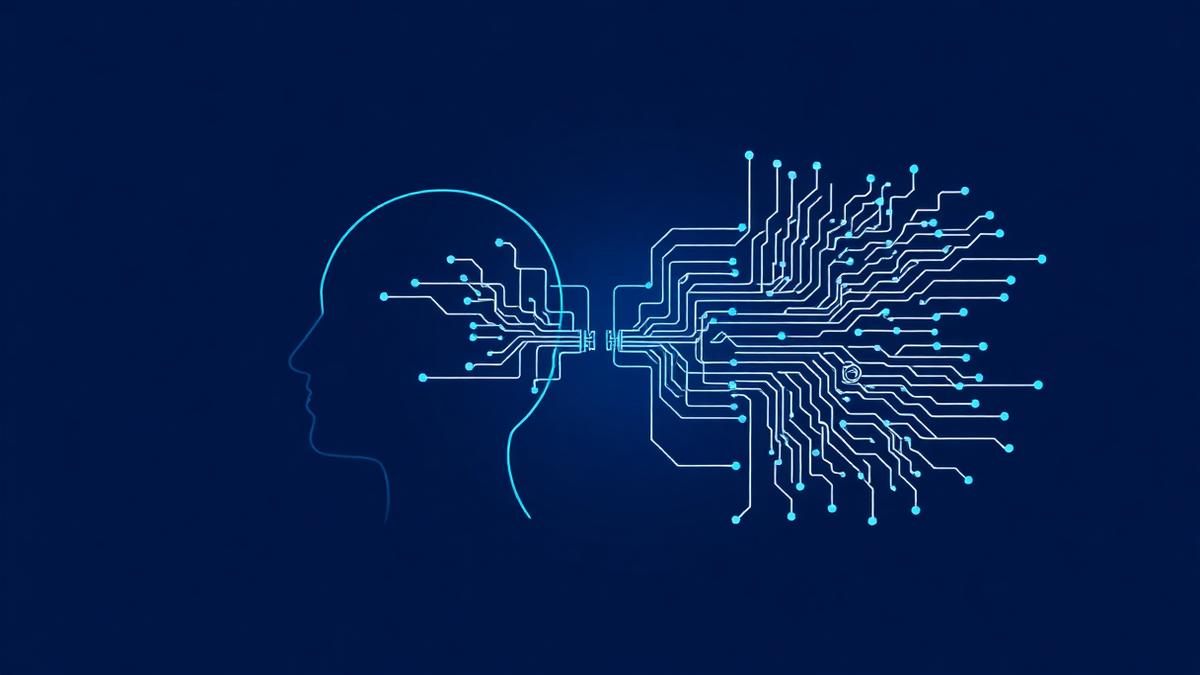
Humans understand context instantly. Systems don’t.
When two people talk about “data,” they can clarify meaning in seconds. When two systems exchange “data,” they can’t negotiate meaning — they only process what they’re given.
This gap becomes massive when organizations rely on email, shared drives, and loosely structured repositories. People know what “Chicago” means in a project email thread. A system does not. People know which emails contain critical decisions. A system does not.
And when organizations try to automate retention, apply roll-offs, or enforce storage limits, the system treats everything the same — whether it’s a lunch invite or a message containing contract obligations.
Layer on workarounds, shadow repositories, inconsistent processes, and backfiles, and you get a perfect storm of risk.
This is why TrailBlazer’s framework matters. It recognizes that:
- People create and interpret information
- Systems store and process information
- Governance must bridge the gap
The solution isn’t more technology. It’s better alignment between people, processes, and systems — supported by clear governance and practical policies.
For a deeper exploration of how context, behavior, and technology collide to create risk, listen to What Counts by TrailBlazer Consulting, Episode 13.